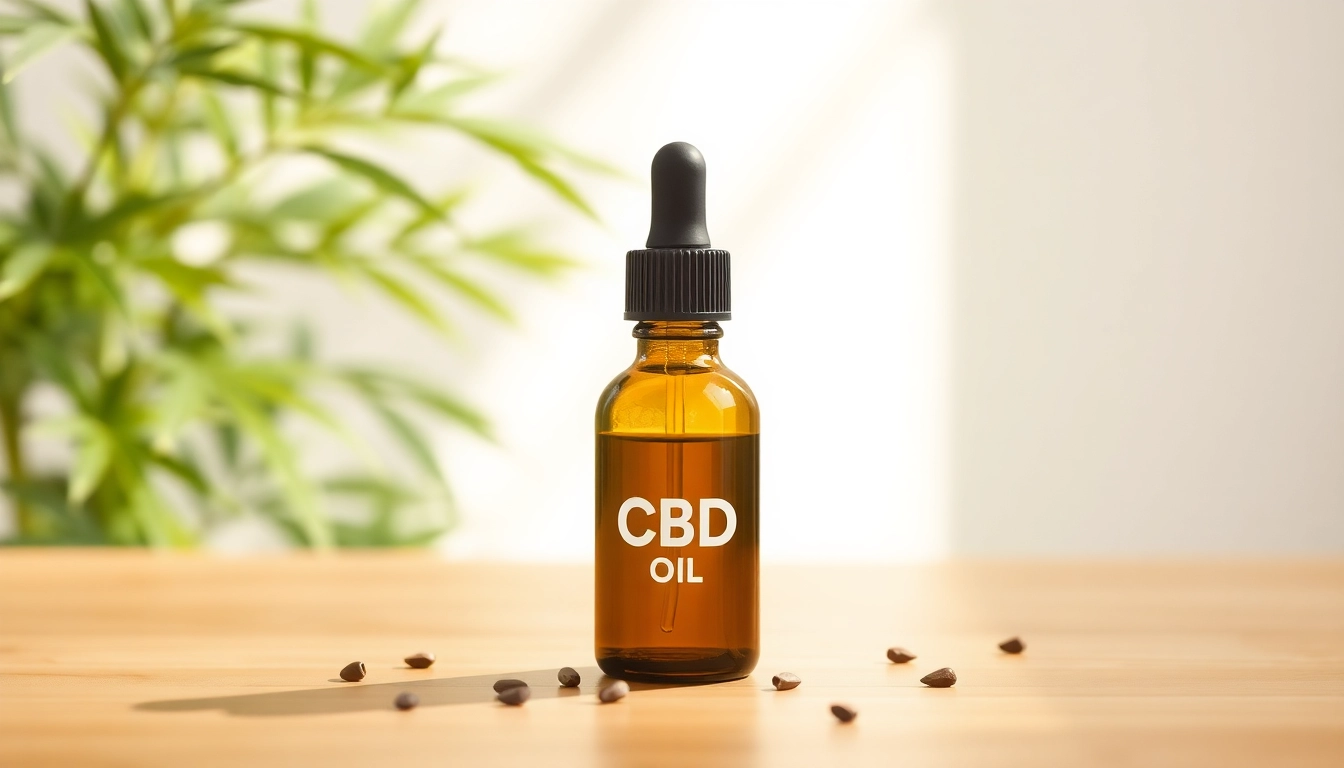
Apply CBD oil for skin with natural skincare products arranged beautifully.

Harnessing the Healing Power of CBD Oil for Skin: Benefits and Techniques

Understanding CBD Oil for Skin: What’s Behind the Buzz?

The surge of interest surrounding CBD oil for skin is more than just a fleeting trend; it’s grounded in promising science and real-world applications. Cannabidiol (CBD), a non-psychoactive compound derived from hemp, has garnered attention for its potential therapeutic benefits, particularly in the realm of skincare. This article delves into the foundations of CBD, its mechanisms of action on the skin, and its growing acceptance in the beauty and wellness sectors.

What is CBD and How Does it Work on Skin?

CBD is one of the many compounds found in the Cannabis sativa plant. Unlike its more famous counterpart, THC (tetrahydrocannabinol), CBD does not produce any psychoactive effects, making it a suitable option for those seeking relief without the “high.” When applied topically, CBD interacts with the body’s endocannabinoid system (ECS), a complex network of receptors and signaling molecules that regulates various physiological processes, including skin health.

In the skin, CBD can bind to cannabinoid receptors located on cell membranes, potentially influencing a variety of skin functions. This interaction may modulate inflammatory responses, promote skin hydration, and support general skin health. Recent studies hint at CBD’s ability to activate pathways involved in reducing oxidative stress, a critical factor in skin aging and various skin conditions.

Common Skin Conditions Treated by CBD Oil for Skin

CBD oil has emerged as a viable treatment option for several common skin issues, including:

  • Acne: CBD’s anti-inflammatory and antimicrobial properties may help reduce the production of sebum in skin cells, thus lowering acne breakouts.
  • Eczema: Patients with eczema have reported improvements in skin redness and itchiness, likely due to CBD’s anti-inflammatory effects.
  • Psoriasis: Research suggests that CBD may be effective in reducing the rapid skin cell turnover associated with psoriasis.
  • Rosacea: CBD may help alleviate the redness and inflammation linked to rosacea through its calming effects on the skin.
  • General Dryness: CBD oil can serve as a potent moisturizer, providing essential hydration and nutrient support to dry, scaly skin.

The Science Behind CBD’s Anti-Inflammatory Properties

The anti-inflammatory properties of CBD are one of its most widely acknowledged benefits in skincare. Inflammation is a natural response of the immune system; however, chronic inflammation can lead to various skin issues and premature aging. CBD’s interaction with the ECS helps to regulate this process.

Studies show that CBD can inhibit the production of pro-inflammatory cytokines, molecules that play a pivotal role in the inflammatory response. By reducing these markers, CBD aids in alleviating inflammation and redness, resulting in clearer, healthier skin. This ability makes CBD oil particularly attractive to individuals with sensitive or reactive skin types.

The Benefits of Using CBD Oil for Skin

With the increasing number of skincare products incorporating CBD, it’s essential to understand the specific advantages that make CBD oil for skin a worthwhile addition to any beauty regimen.

Why Choose CBD Oil for Skin Over Traditional Treatments?

As the beauty industry evolves, so do consumer preferences. Many are looking for natural solutions to skin concerns as awareness grows about the potential side effects of conventional treatments. CBD oil stands out for several reasons:

  • Natural Ingredients: CBD oil is derived from the hemp plant, offering a holistic approach to skincare.
  • Fewer Side Effects: Compared to many pharmaceuticals, CBD typically has milder side effects, making it suitable for broader demographics, including individuals with sensitive skin.
  • Multifunctionality: CBD caters to various skin concerns, from acne to aging, providing a multifunctional product in one bottle.
  • Support from Research: Emerging research supports CBD’s therapeutic potential in skincare, helping to build consumer trust.

Potential Skin Benefits of CBD Oil for Skin

The scope of benefits offered by CBD oil extends beyond the previously mentioned conditions. Here are some notable advantages:

  • Hydration: CBD oil can improve moisture retention in the skin, making it an excellent choice for dry or dehydrated complexions.
  • Anti-Aging Properties: With its antioxidant effects, CBD oil can help combat free radical damage, potentially delaying the signs of aging.
  • Soothing Irritation: CBD’s calming properties can help soothe irritation, making it beneficial for conditions such as skin allergies or reactions.
  • Wound Healing: Preliminary studies have suggested CBD’s potential to promote skin regeneration and healing, aiding in the recovery from minor cuts and blemishes.

Real Stories: Skin Transformations Through CBD Oil

Anecdotal evidence continues to support the transformative power of CBD oil in skincare. Many users share their success stories of significant improvements in their skin conditions after incorporating CBD into their routines. For instance:

An individual struggling with persistent acne might find that a regular application of CBD oil helps reduce inflammation and prevent new breakouts, leading to a clearer complexion over time. Similarly, users with chronic eczema have reported less irritation and redness, allowing them to enjoy smoother skin without the discomfort associated with flare-ups.

How to Incorporate CBD Oil for Skin in Your Routine

For those interested in reaping the benefits of CBD oil for skin, knowing how to properly incorporate it into a skincare routine is crucial. Here are some guidelines to maximize effectiveness.

Choosing the Right CBD Oil for Skin

Selecting the appropriate product is the first step. Factors to consider include:

  • Full-spectrum vs. Isolate: Full-spectrum CBD products contain a range of cannabinoids and terpenes that may enhance the efficacy of CBD through the entourage effect. On the other hand, CBD isolate is purified and contains only CBD.
  • Quality of Ingredients: Look for products made from organic hemp and free of additives or artificial ingredients to ensure safety and effectiveness.
  • Third-party Testing: Opt for brands that provide third-party lab results to verify the potency and purity of the product.

Application Techniques for Maximum Effectiveness

To maximize the benefits of CBD oil, consider these application tips:

  • Cleansing First: Always cleanse the skin before application to remove dirt and oil, allowing better absorption.
  • Patch Testing: Conduct a patch test on a small area of skin to check for any adverse reactions.
  • Massage: Gently massaging the oil into the skin may enhance absorption and stimulate blood circulation.
  • Frequency: For chronic conditions, consider applying twice daily for optimal results.

Combining CBD Oil for Skin with Other Ingredients

CBD oil can be effectively combined with other skincare ingredients to amplify its effects. Some compatible combinations include:

  • Hyaluronic Acid: Pairing CBD with hyaluronic acid can enhance hydration, making it beneficial for dry skin types.
  • Essential Oils: Mixing CBD with calming essential oils like lavender can create a soothing skincare experience.
  • Vitamin C: The antioxidant properties of Vitamin C can complement CBD’s effects, offering a brighter complexion.

Potential Side Effects and Considerations

While CBD oil is generally considered safe, it’s essential to be aware of potential side effects and who should avoid it.

Understanding the Side Effects of CBD Oil for Skin

The side effects of CBD oil are typically mild, yet some users may experience dryness or irritation. Individuals sensitive to cannabis compounds should proceed with caution, as they may exhibit reactions to CBD products. Additionally, while rare, serious allergic reactions are possible.

Who Should Avoid CBD Oil for Skin?

Individuals with known allergies to cannabis products should refrain from using CBD oil. Pregnant or breastfeeding individuals are also advised to consult with a healthcare professional before incorporating CBD into their routines, as not enough research has been conducted in these areas.

Consultation with Skincare Professionals

Before starting any new skincare treatment, including CBD oil, consulting with a skincare expert or dermatologist is recommended. They can provide personalized advice based on skin type, concerns, and any existing conditions, ensuring a safe and effective approach.

Future Trends and Research in CBD Oil for Skin

As interest in CBD oil continues to grow, ongoing research and innovations are likely to impact its application in skincare significantly.

Current Research and What It Means for Skincare

The scientific community is increasingly focused on exploring the full potential of CBD in dermatological health. Studies are investigating its effects not just on inflammation but also its potential in managing other skin issues like acne and psoriasis. As more data emerges, it is likely that CBD oil will become a staple in dermatology.

Emerging Products Featuring CBD Oil for Skin

New formulations incorporating CBD oil are entering the market regularly, ranging from creams and serums to masks and cleansers. The continuous innovation in product development indicates a promising future for CBD oil in skincare, catering to diverse consumer needs.

The Shift Towards Natural Ingredients in Skincare

Consumers are increasingly seeking out natural and holistic ingredients in their skincare products. This shift aligns with the current trend toward clean beauty, emphasizing the importance of plant-based ingredients like CBD. As consumers become more educated about the benefits of CBD, its popularity will likely continue to rise.

Leave a Reply

Your email address will not be published. Required fields are marked *