
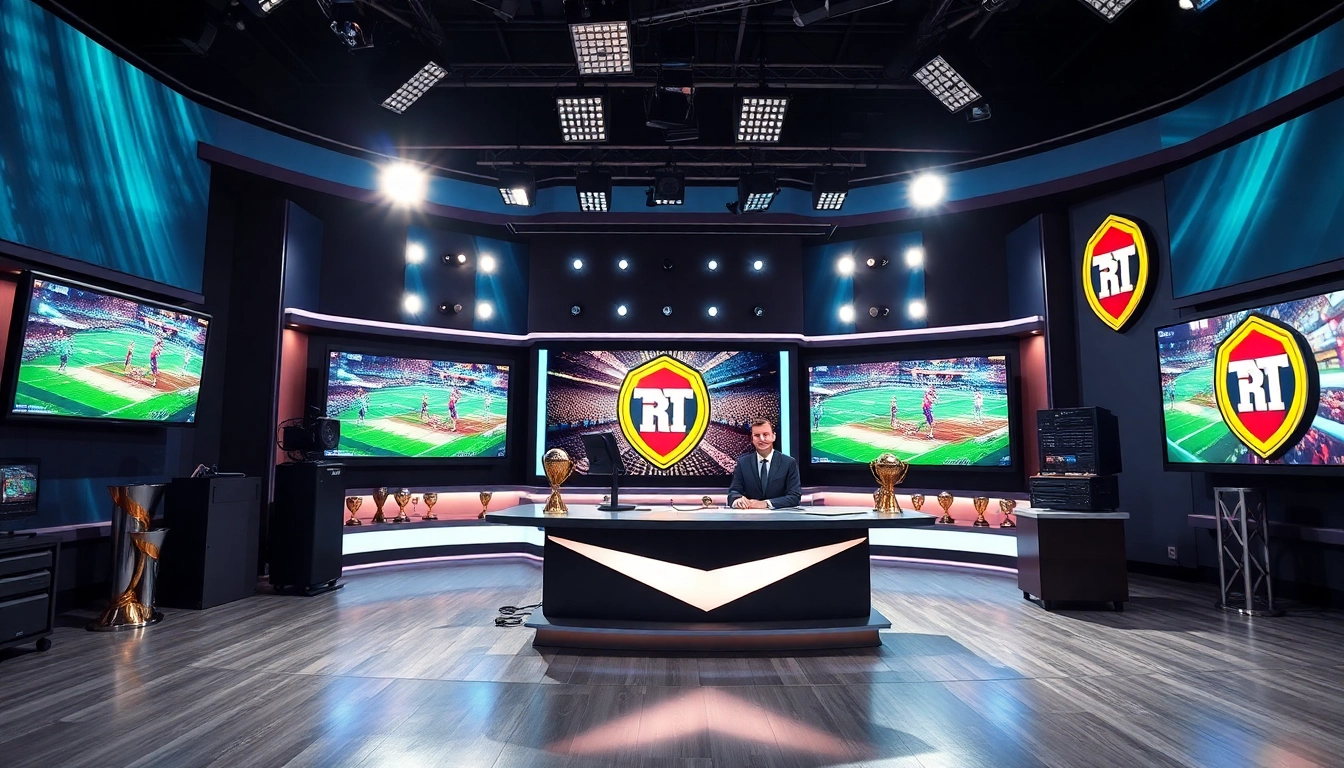
Understanding the Fundamentals of Sports Broadcasting
At its core, Sports Broadcasting encompasses the live transmission of sporting events across various media platforms. Whether via television, radio, or digital streaming, the essence lies in delivering real-time coverage of sports to audiences around the globe. This discipline combines several key elements including technology, storytelling, and audience engagement, transforming how fans consume sports entertainment.
What is Sports Broadcasting?
Sports broadcasting is the process of covering live sporting events, analyzing games, and discussing sports-related topics. It ranges from local radio show broadcasts covering high school games to major national networks transmitting global sporting events. With the expansion of digital platforms, sports broadcasting has become more accessible, allowing fans to connect to their favorite teams and players anytime and anywhere.
The Role of Technology in Sports Broadcasting
Technological advancements play a pivotal role in enhancing sports broadcasting. High-definition cameras capture stunning visuals, while multi-angle replays provide comprehensive coverage of important moments. Innovations such as augmented reality (AR) and virtual reality (VR) offer immersive experiences, allowing viewers to feel like they are part of the action. Data analytics has also transformed sports commentary, with real-time statistics and insights enhancing the storytelling aspect of broadcasts.
Key Components of an Effective Broadcast
An effective sports broadcast hinges on several crucial components: the play-by-play commentator, the color commentator, graphics and statistics, and production quality. The play-by-play commentator is responsible for describing the action as it happens, while the color commentator adds context and analysis. Graphics that display stats, player profiles, and game scores enrich the viewer’s experience. Lastly, high production quality ensures that the visuals and sound are crisp and engaging.
Techniques for Engaging Sports Commentary
The success of sports broadcasts heavily relies on how well commentators engage the audience. Understanding techniques for commentary can vastly improve viewer satisfaction.
Crafting Compelling Narratives
Compelling storytelling is foundational in sports commentary. Commentators must weave narratives that engage fans emotionally and intellectually. Whether it’s the underdog story of a struggling team or the rivalry between two powerhouse competitors, narrating compelling tales keeps viewers invested in the outcome. Commentators should conduct thorough research on teams, players, and historical contexts to add depth to their stories.
Effective Use of Color Commentary
Color commentary adds flavor and personality to broadcasts. By providing insights into players’ strategies, personal anecdotes, and historical context, color commentators enrich the narrative created by play-by-play commentators. Their expertise can highlight key tactical moves that casual viewers may overlook, making the broadcast accessible for all audience types while appealing to die-hard fans.
Adapting to Different Sports Formats
Different sports have unique formats and styles, requiring commentators to adapt their approach accordingly. For example, sports such as football (American or soccer) involve complex gameplay and rules that need clear explanation and analysis, while basketball often requires rapid-fire commentary due to its fast pace. Understanding the nuances of each sport, including its culture and audience expectations, is key to effective commentary.
Exploring the Business of Sports Broadcasting
The business side of sports broadcasting is multi-faceted, involving various revenue streams, licensing partnerships, and digital transformations that shape profitability.
Revenue Streams in Sports Broadcasting
Revenue generation in sports broadcasting comes from multiple avenues. The most significant include advertising revenue, subscription fees for networks or streaming platforms, and sponsorship deals. As viewers migrate towards digital platforms, monetization strategies are evolving, with advertisers increasingly focusing on targeted advertising to appeal to specific demographics. Understanding these revenue streams is crucial for networks and teams alike.
Understanding Licensing Agreements
Licensing agreements govern how content is distributed across different platforms. These agreements can be complex, involving negotiations between teams, leagues, and broadcasters to provide exclusive rights to air games. A well-structured licensing agreement can significantly impact both the financial success of a broadcast and the exposure of the sport it covers.
Impact of Digital Platforms
With the rise of digital streaming services, sports broadcasting has undergone significant changes. Platforms like OTT (over-the-top) services have emerged, allowing fans to stream games without traditional cable subscriptions. This shift has made sports more accessible while also presenting new challenges for broadcasters in terms of monetization and maintaining viewer engagement across multiple devices.
Sports Broadcasting Best Practices
To remain competitive in the sports broadcasting industry, networks and commentators must adopt best practices that ensure accuracy, engagement, and audience interaction.
Ensuring Accuracy and Integrity in Reporting
Audiences expect accurate and reliable information from sports broadcasts. It is crucial for commentators and networks to fact-check data and uphold journalistic integrity. This involves verifying statistics, citing sources for player information, and being transparent when presenting analysis. Demonstrating commitment to accuracy builds trust among viewers, fostering loyalty over time.
Utilizing Social Media for Engagement
Social media is a powerful tool for sports broadcasters. Utilizing platforms like Twitter, Instagram, and TikTok can significantly enhance audience engagement. Broadcasters can share real-time updates, behind-the-scenes content, and interact with fans through polls and Q&A sessions. Engaging with fans on social media humanizes the brands and maximizes viewer investment in the broadcast.
Measuring Audience Interaction
Understanding audience interaction is paramount for improving broadcasting strategies. Metrics such as viewership ratings, social media engagement rates, and audience feedback provide insights into what resonates with fans. Analyzing these metrics allows broadcasters to modify their content and delivery for maximum impact, ensuring they remain ahead of audience preferences.
Future Trends in Sports Broadcasting
The landscape of sports broadcasting is continuously evolving, driven by technological advancements and shifting viewer preferences. Understanding future trends is critical for staying relevant in this dynamic industry.
Emerging Technologies Shaping Broadcasting
Emerging technologies such as 5G networks, AI, and machine learning are poised to revolutionize sports broadcasting. With 5G, broadcasts can deliver ultra-high-definition content and manage multiple camera feeds in real-time, enhancing viewer experiences. Additionally, AI can personalize content delivery, ensuring that audiences receive the insights and highlights most relevant to their interests.
Shifts in Viewer Behavior and Preferences
Today’s viewers increasingly seek interactive and on-demand content. According to research, younger audiences prefer shorter highlights over full broadcasts. This insight mandates that broadcasters adapt their strategies, focusing on bite-sized content that appeals to modern consumption habits while also maintaining full game coverage for traditional fans.
The Rise of Interactive Broadcasting
Interactive broadcasting is the next frontier in the sports industry. Techniques such as interactive polls during games, player tracking, and virtual fan experiences are gaining traction. By engaging viewers in real time and providing customizable content options, broadcasters can create a more immersive experience that allows fans to take an active role in their viewing.
FAQs
What is the primary role of a sports commentator?
The primary role of a sports commentator is to narrate live events, providing play-by-play descriptions and insightful analysis to engage and inform viewers.
How do broadcasters generate revenue?
Broadcasters generate revenue through advertising, subscription fees, sponsorships, and licensing agreements with sports leagues.
What technologies impact sports broadcasting?
Technologies such as HD cameras, AI analytics, AR, VR, and 5G networks significantly enhance the quality and accessibility of sports broadcasting.
How can I engage with sports broadcasts on social media?
You can engage with broadcasts on social media by following teams and broadcasters, participating in live polls, and sharing your opinions using relevant hashtags.
What trends are shaping the future of sports broadcasting?
Future trends include increased interactivity, personalized content through AI, and the integration of emerging technologies like 5G, enhancing viewer experience and engagement.