Introduction to Best Window Tint Chattanooga TN
Window tinting has surged in popularity among vehicle owners, and for good reason. Whether for aesthetics, comfort, or protection, high-quality window tint can significantly improve your driving experience. In Chattanooga, TN, finding the best window tint Chattanooga TN offers a range of benefits, from reducing glare and heat to enhancing privacy. Let’s explore the fundamentals of window tinting and why you should consider it for your vehicle.
Understanding Window Tint and Its Benefits
Window tint is a thin film applied to the glass of vehicles and buildings. Made from polyester, it can be tinted using dyes, metal, or various other materials, providing a range of functionalities. There are multiple benefits associated with window tinting, including: - Heat Reduction: One of the primary advantages of window tinting is its ability to block a significant amount of solar heat, which can lead to a more comfortable interior. - UV Protection: Window films can also filter out harmful ultraviolet rays, protecting skin from damage and preventing interior upholstery from fading. - Glare Reduction: Tints can reduce glare from sunlight and headlights, improving visibility during driving. - Increased Privacy: Darker tints can provide better privacy by limiting the view into your vehicle. - Enhanced Aesthetics: A professional tint can give your vehicle a sleek, polished look, increasing its overall appeal.
Types of Window Tints for Vehicles
There are several types of window tints available, each with distinct qualities and advantages: - Dyed Window Tint: Often the most affordable option, dyed tints use a layer of dye to give glass its color. While they effectively block glare, they are less durable and may fade over time. - Metalized Window Tint: This type incorporates tiny metallic particles, enhancing durability and heat rejection. They also add an extra layer of privacy but can interfere with GPS and cellular signals. - Ceramic Window Tint: Considered top-tier, ceramic films provide excellent heat and UV protection without signal interference. They also do not fade and are more costly. - Hybrid Window Tint: Combining both dyed and metalized features, hybrids offer a balance between aesthetics and performance, making them a popular choice among consumers.
Choosing the Right Window Tint
Despite the wide array of options available, selecting the right window tint requires careful consideration. Here are some key factors to think about:
Factors to Consider When Selecting Tint
1. Purpose: Determine whether you need tint for heat resistance, UV protection, or aesthetic reasons. 2. Legal Restrictions: Different places have varying laws regarding tint darkness and reflectivity. Understanding these regulations is crucial. 3. Budget: Quality tints come at various price points; knowing how much you are willing to invest will help narrow your options. 4. Longevity and Maintenance: Some types of tints require more maintenance than others; consider the longevity and the upkeep needed.
Legal Regulations for Window Tinting in Chattanooga TN
Tennessee has specific laws governing window tinting, most of which focus on how dark a vehicle’s windows can be. These guidelines differ for front side, rear side, and back windows. It is essential to ensure that your window tint adheres to these regulations to avoid legal issues and fines. Always verify the current state laws, as they can change frequently.
Comparison of Window Tint Options
When evaluating window tint options, consider the following comparisons based on key criteria: - Heat Rejection: Ceramic films typically outperform dyed and metalized tints in blocking heat. - UV Protection: Ceramic tints also offer the best UV protection, whereas dyed films provide the least. - Durability: Metalized and ceramic films are more durable than dyed tints, which tend to fade over time. - Signal Interference: Dyed and ceramic films usually have minimal signal disruption, while metalized films can interfere with electronics.
The Installation Process Explained
Understanding the installation process is crucial to ensure your window tint is applied correctly and effectively.
Pre-Installation Preparation Steps
Before installation, several preparatory steps can be taken: - Clean the Windows: Ensure that the windows are spotless, as dust and debris can lead to bubbles or imperfections in the film. - Choose the Right Tint: Based on earlier selections, decide which film you want to use and ensure it’s compatible with your vehicle. - Consider Environmental Conditions: Temperature and humidity can affect the installation process. Optimal conditions help ensure a successful application.
Professional Installation Techniques
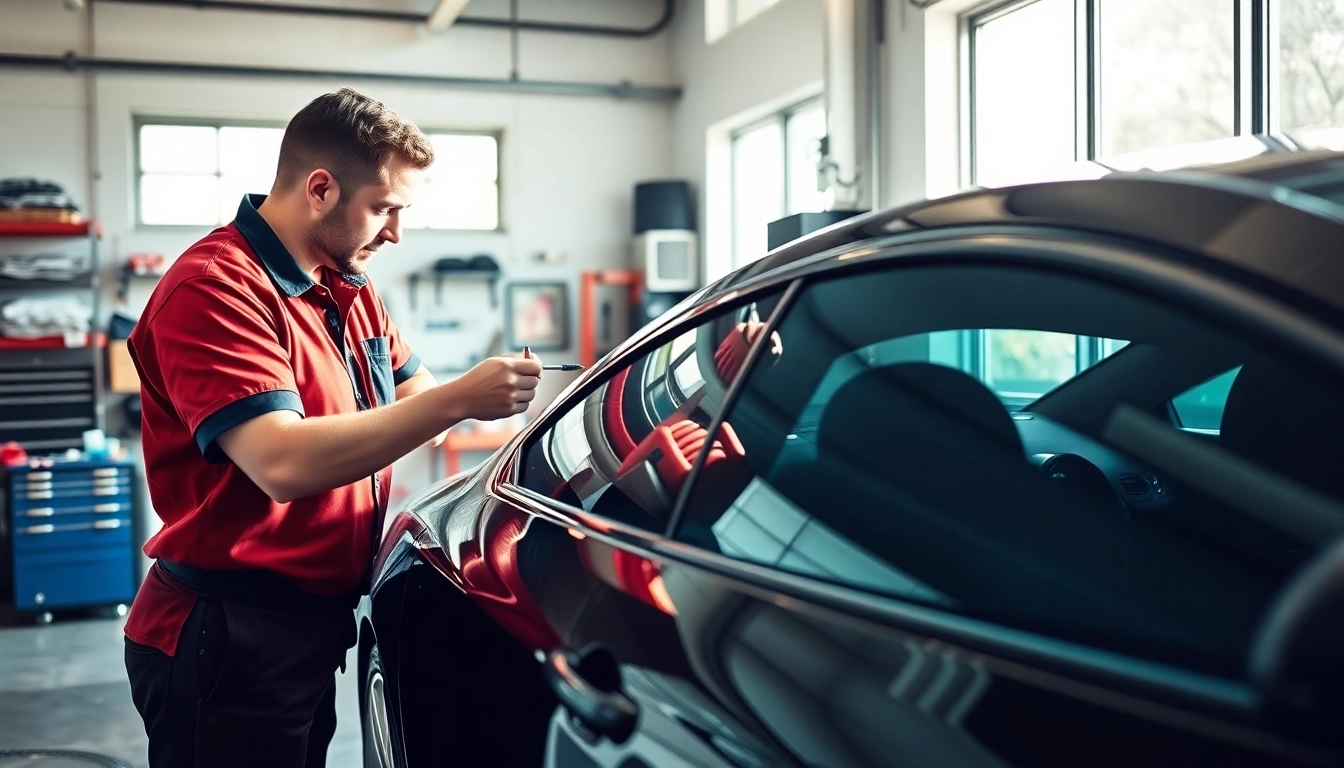
Professional installers utilize several techniques to provide optimum results, including: - Wet Method: A common approach where solution is sprayed on both the window and the adhesive side of the film allows for repositioning and perfect alignment. - Dry Method: Less common, this method requires direct application without solutions. It is generally quicker but less forgiving for mistakes. - Heat Shrinking: Plastic films are heated to allow for better fitting on the glass curvature.
Post-Installation Care Tips
Once installed, proper care is necessary to maintain the quality of your tint. Avoid rolling down your windows for at least 48 hours. Clean the tinted windows with a soft microfiber cloth to prevent scratches and use a gentle cleaning solution. Always avoid ammonia-based products that can damage the film.
Maintaining Your Window Tint
To ensure the longevity of your window tint and its effectiveness, consistent maintenance is vital.
Common Issues and Troubleshooting
Some common problems associated with window tint are bubbling, peeling, or discoloration. If you encounter bubbles, these typically dissipate over time; however, if they persist, consult a professional for assessment. Peeling edges can often be fixed by applying heat to reaffix the tint.
Cleaning Tips for Longevity
The method of cleaning your tinted windows can affect their lifespan. Utilize a soft cloth and gentle cleaners that are free of ammonia. Clean your windows regularly to remove dirt and grime while avoiding abrasive materials that could scratch the film.
When to Seek Professional Help
If you notice persistent issues like scratches, peeling, or excessive bubbling that cleaning cannot remedy, it’s time to seek professional assistance for repairs or even replacement of the tint.
Frequently Asked Questions about Window Tinting
How long does window tint last?
Window tint typically lasts between 5 to 10 years, depending on the quality of the material and how well it’s maintained.
Is window tinting expensive?
The cost of window tinting can vary widely, generally ranging from $100 to $400, depending on the type of tint and vehicle size.
Can I remove window tint myself?
Yes, while it's possible to remove window tint yourself, it may be best to hire a professional to avoid damaging the glass or leaving residue.
Does window tint affect visibility?
High-quality tints designed for clarity will not significantly affect visibility; however, darker tints may reduce visibility, especially at night.
What are the best brands of window tint?
While there are many reputable brands, it's essential to consider quality, warranty, and the specific properties of the tint you desire rather than focusing solely on names.