Understanding CBD Cannabis Genetics
As the popularity of cannabis continues to rise, so does the interest in its various constituents, particularly cannabidiol (CBD). For growers and enthusiasts alike, understanding CBD cannabis genetics is crucial for generating high-quality plants that manifest the desired traits. This encompasses everything from the psychoactive properties associated with THC to the therapeutic benefits attributed to CBD. In this expansive guide, we aim to shed light on the intricacies of CBD cannabis genetics, their cultivation, and their harvesting, ensuring you know what to look for when selecting seeds for your next grow. When exploring options, CBD cannabis genetics provide comprehensive insights into breeding, cannabinoid profiles, and the selection process.
What Are CBD Cannabis Seeds?
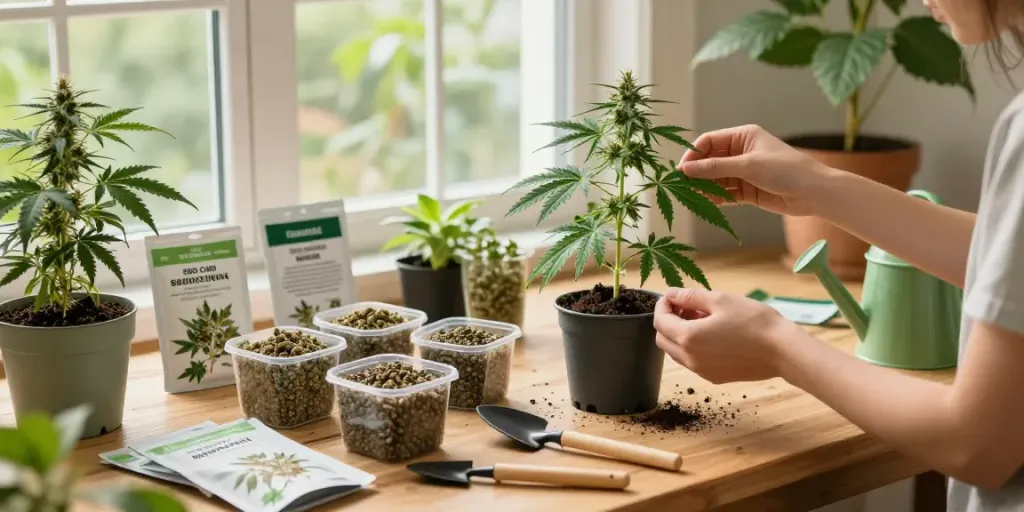
CBD cannabis seeds refer to the seeds of cannabis plants that have been bred to produce significant amounts of cannabidiol, a naturally occurring compound in the cannabis plant known for its therapeutic properties. Unlike THC, CBD is non-psychoactive, meaning it does not produce the "high" typically associated with cannabis. These seeds can vary significantly in their genetic makeup, with some bred for high CBD content, while others may have balanced levels of THC and CBD. Cultivating CBD cannabis seeds can lead to strains that are more beneficial for growers looking for health-oriented products.
Key Differences: CBD vs. THC-Dominant Seeds
Understanding the key differences between CBD and THC-dominant seeds is essential for any grower. CBD seeds are typically selected for their low THC content, which is crucial for compliance with many local laws regarding cannabis cultivation. In contrast, THC-dominant seeds are bred for their psychoactive properties, often leading to higher levels of THC than CBD. This distinction allows consumers to choose strains that align with their specific needs, whether they seek recreational benefits or medicinal properties.
The Role of Breeding in Cannabinoid Profiles
The breeding of CBD cannabis seeds plays a pivotal role in determining the cannabinoid profiles of the resulting plants. Breeders select parent plants specifically for their desirable traits, such as high CBD content or balanced ratios of CBD to THC. This selective breeding can create unique strains that offer various therapeutic benefits, allowing growers to cater to specific markets or consumer preferences. Additionally, environmental factors during cultivation can also influence cannabinoid production, making it crucial for growers to understand both genetics and cultivation practices.
Choosing the Right CBD Cannabis Genetics for Your Needs
Choosing the right CBD cannabis genetics can be overwhelming, given the numerous options available in today’s market. Key considerations include whether to choose feminized or regular seeds, the desired cannabinoid profile, and the cultivation conditions. High-quality seeds should come from reputable breeders known for their genetic stability and consistency. This focus on quality ensures better yields and more reliable cannabinoid profiles, tailored to your specific needs.
Feminized vs. Regular Seeds: What’s the Difference?
Feminized seeds are genetically manipulated to produce only female plants, which are the ones that produce flower buds rich in cannabinoids. On the other hand, regular seeds can produce both male and female plants. If you aim to grow for cannabinoid extraction or therapeutic purposes, feminized seeds are often the preferred choice. However, if you're looking to breed or diversify your strains, using regular seeds can offer more variability and opportunity for unique plant characteristics.
How to Select High-Quality CBD Seeds
- Research the Breeder: Always opt for seeds from well-known and reputable breeders who provide genetic information and testing results.
- Check for Reviews: Look for reviews from other growers about the seeds' performance.
- Look for Stability: Choose seeds that have demonstrated stability in multiple growing conditions and environments.
- Examine Cannabinoid Ratios: Ensure the seed selection aligns with your desired cannabinoid profile, particularly the CBD to THC ratio.
Understanding Cultivar Characteristics
Each cultivar of CBD cannabis can exhibit different growth patterns, cannabinoid profiles, and even flavors. Familiarizing yourself with the specific characteristics of various cultivars will enhance your ability to choose seeds that match your growing conditions and desired effects. Factors such as flowering time, yield, and pest resistance should also be considered when selecting a particular cultivar.
Growing Conditions for CBD Cannabis Seeds
The success of cultivating CBD cannabis largely depends on the growing conditions provided. Both indoor and outdoor growing methods come with their own advantages and challenges, which can significantly impact the quality and yield of your harvest.
Indoor vs. Outdoor Growing: Benefits and Drawbacks
Indoor growing allows for complete control over environmental conditions, leading to potentially higher yields and shorter flowering times. However, it often requires a larger initial investment in equipment such as lights and ventilation systems. On the other hand, outdoor growing is more cost-effective and can harness natural sunlight, which may enhance flavor profiles and terpene production. However, it exposes plants to unpredictable weather and pest pressures.
Optimal Environmental Conditions for Growth
Ensuring optimal conditions is crucial for healthy CBD cannabis growth. Ideal temperatures range from 70°F to 85°F during the day and slightly cooler at night. Additionally, maintaining humidity levels between 40% to 60% is essential, particularly during the vegetative stage, while lower humidity is preferred during the flowering stage to prevent mold. Regular monitoring of nutrient levels and pH is also important to promote health and productivity.
Common Growing Challenges and Solutions
- Pest Management: Regularly inspect plants for pests and use organic pesticides or companion planting to mitigate infestations.
- Nutrient Deficiencies: Monitor symptoms like yellowing leaves, which may indicate nutrient deficiencies, and adjust feedings accordingly.
- Environmental Stress: Be vigilant about temperature and humidity levels, and utilize fans or dehumidifiers as needed to maintain optimal conditions.
Harvesting and Processing CBD Cannabis
Harvesting CBD cannabis at the right time is critical to ensuring maximum potency and quality. Understanding the maturation signs is essential for optimal yields and effects.
When to Harvest: Signs of Maturity
One of the most reliable signs of maturity is the color of the trichomes on the buds. Clear trichomes indicate your plant is not ready, while milky white trichomes suggest peak potency. Amber trichomes signal a decline in potency, so timely harvesting is key to preserving the desired cannabinoid profile. Growers should also observe the overall appearance of the plant, looking for yellowing leaves and the development of flowers.
Best Practices for Post-Harvest Processing
Once harvested, proper drying and curing are necessary to maintain the integrity of cannabinoids. Plants should be hung upside down in a dark, well-ventilated area with temperatures between 60°F and 70°F. After drying, buds can be trimmed and placed in glass jars for curing, where they should be opened periodically to release moisture and improve flavor.
Maintaining Cannabinoid Quality After Harvest
To ensure that cannabinoids remain intact post-harvest, it is vital to store them in a cool, dark place, eliminating exposure to light and air that can degrade cannabinoids. Vacuum sealing or using opaque containers can further protect the quality of your CBD products.
Future Trends in CBD Cannabis Genetics
The landscape of CBD cannabis genetics is ever-evolving, with ongoing research leading to innovative breeding techniques that promise to optimize cannabinoid profiles and enhance plant resilience.
Innovations in Breeding Techniques
Advancements in breeding techniques, such as CRISPR technology, have the potential to create strains with even more tailored cannabinoid and terpene profiles. These innovations can enhance therapeutic benefits while promoting plant health and yield, catering to the growing demand for high-quality CBD products.
Emerging CBD Cultivars for 2026
New cultivars specifically bred for therapeutic properties are emerging, focusing on unique cannabinoid ratios that cater to specific health needs, such as anxiety, chronic pain, or inflammation. As consumer preferences evolve, these innovative cannabis strains are expected to drive market growth in the coming years.
Predictions for Market Growth and Consumer Demand
The market for CBD products is projected to experience significant growth in the upcoming years, driven by increasing consumer awareness and acceptance. As more individuals turn to cannabis for wellness, the demand for high-quality CBD seeds with robust genetics will rise.
What Should Consumers Know About Legal Compliance?
It is crucial for consumers and growers to stay informed about local laws regarding cannabis cultivation. Depending on jurisdiction, different regulations apply to CBD and THC levels. Ensuring compliance can aid in avoiding legal issues and secure the legitimacy of your operations.
How to Stay Informed on CBD Research and Developments?
Staying updated on the latest research involving CBD cannabis genetics is essential for growers and consumers alike. Engaging with reputable cannabis science publications, attending conferences, and connecting with industry professionals can provide valuable insights and information.