The Evolution of Phone Gimbals
In an age where social media reigns supreme and high-quality video content is essential for personal branding and storytelling, phone gimbal technology has emerged as a game changer for videographers and content creators alike. Originally serving professional filmmakers, these handheld devices have now become a must-have accessory for anyone looking to elevate their smartphone video quality. This article explores the evolution of phone gimbals, their technology, and how they compare to other stabilization tools.
Understanding What a Phone Gimbal Is
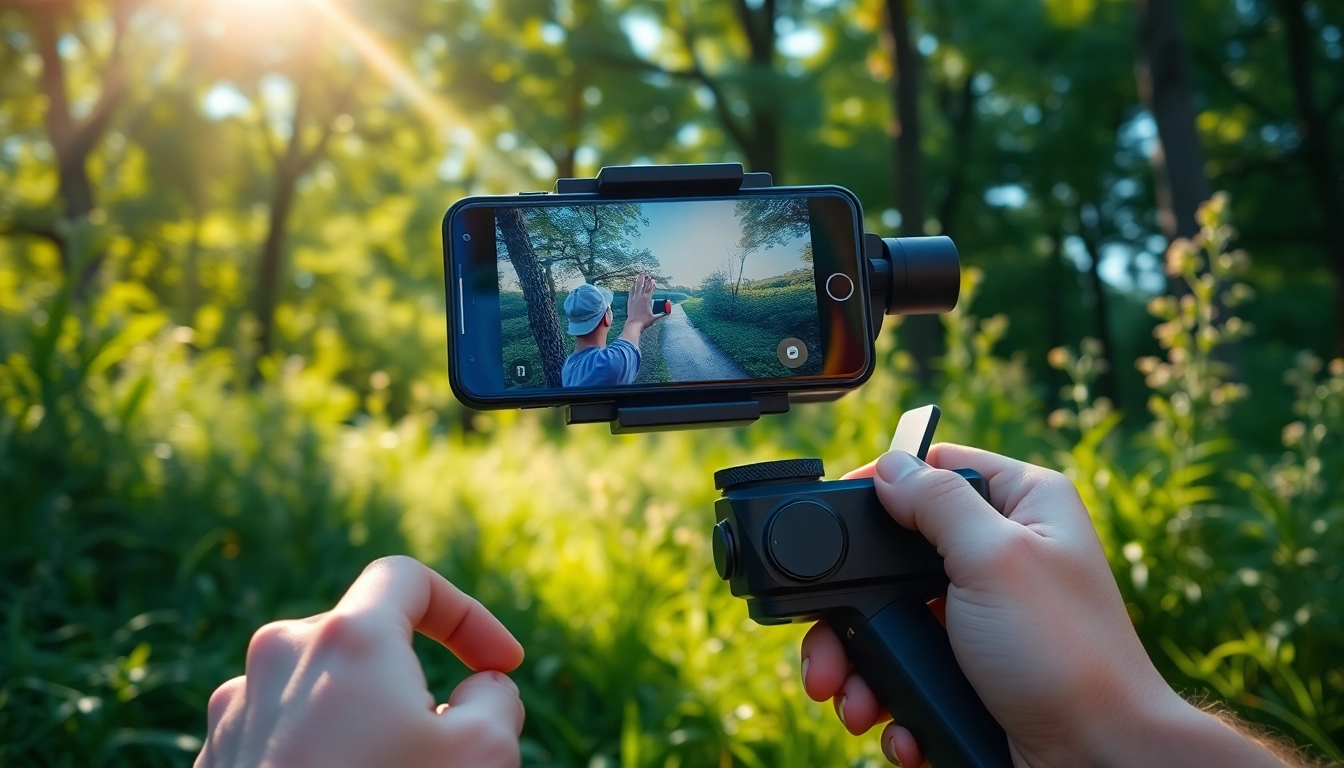
A phone gimbal is a type of stabilizer designed to hold smartphones steady while filming. It employs a motorized system that counteracts unwanted movements and vibrations, enabling smooth, cinematic shots. Unlike traditional tripods or stabilizers that offer limited flexibility, gimbals provide fluid motion and allow for dynamic filming techniques that enhance the viewer's experience.
The Technology Behind Phone Gimbals
At the heart of a phone gimbal is its advanced sensor technology, which detects movement in real time. Most gimbals use 3-axis stabilization, meaning they can counteract pitch, yaw, and roll movements. This technology ensures that your footage remains stable even when moving quickly or navigating challenging environments. Many modern gimbals also include built-in features such as face tracking, time-lapse capabilities, and remote control, adding an extra layer of versatility for users.
Comparing Gimbals with Other Stabilization Tools
While gimbals are highly effective, it’s important to understand how they stack up against other stabilization tools like tripods and steadicams. Tripods are excellent for static shots but lack mobility. Steadicams offer great stability but can be cumbersome and require significant practice to master. In contrast, gimbals strike the perfect balance, providing both stability and mobility, making them ideal for a range of shooting scenarios.
Choosing the Right Phone Gimbal
With so many options available, selecting the right phone gimbal can feel overwhelming. However, understanding key features and top brands can streamline your decision-making process. Prioritize what you need most, such as portability, battery life, or specific features that align with your filming style.
Key Features to Look For in a Phone Gimbal
- Weight and Portability: Ensure that the gimbal is lightweight and easily transportable, especially if you plan to shoot on the go.
- Battery Life: Look for gimbals with long battery life to avoid interruptions during shoots.
- Smart Features: Consider models that offer features like auto-tracking, preset modes, and remote controls.
- Build Quality: Opt for durable materials that can withstand the rigors of outdoor filming.
Top Brands and Models for 2025
As of 2025, several brands have established themselves as leaders in the phone gimbal market. The DJI OM5 remains a favorite due to its compact design and intuitive app integration. The Insta360 Flow 2 Pro is also gaining popularity for its AI-powered tracking capabilities. For budget-conscious consumers, the Hohem iSteady M7 presents a solid option without sacrificing quality.
Understanding User Needs and Preferences
When choosing a gimbal, it's essential to consider the specific needs and preferences of users. Casual videographers may prioritize ease of use and portability, while professional filmmakers might look for advanced features like customizable settings or higher weight capacities. Reading user reviews and comparing functionality across different models can help inform your choice.
Best Practices for Using Phone Gimbals
Mastering the use of a phone gimbal involves more than just picking it up and shooting. By following best practices, users can harness the full potential of this tool to create stunning video content.
Setting Up Your Phone Gimbal
Before you start filming, ensure your gimbal is properly calibrated. This often involves balancing your smartphone correctly, which helps maximize stabilization and battery performance. Most gimbals come with user-friendly guides to navigate this process effectively.
Techniques for Smooth Filming
To achieve the best results, employ techniques such as:
- Walking Techniques: When moving, keep your knees slightly bent and take small, smooth steps.
- Adjusting Your Grip: Hold the gimbal with both hands and maintain a stable, relaxed grip to minimize jitters.
- Utilizing Modes: Take advantage of different gimbal modes like follow mode or lock mode for varying shot types.
Avoiding Common Mistakes with Gimbal Use
Common mistakes include failing to balance the gimbal correctly, neglecting to monitor battery life, and using inappropriate settings for specific shots. Always practice using your gimbal in different environments to understand its capabilities and limitations.
Advanced Techniques for Filmmakers
For those looking to elevate their filmmaking, there are advanced techniques that can be incorporated into your gimbal usage.
Creative Shot Ideas Using a Phone Gimbal
Experiment with dynamic shots such as:
- Revealing Shots: Start with a close-up and reveal the broader scene as you pull back.
- 360-degree Shots: Use the smooth motion of the gimbal to capture sweeping 360-degree shots that enhance storytelling.
- Tracking Shots: Follow a moving subject closely to create an immersive experience.
Incorporating Gimbals into Storytelling
When used creatively, gimbals can significantly enhance storytelling by allowing for smoother transitions and visual continuity. Integrate various shot types to keep the viewer engaged, and use the capabilities of the gimbal to emphasize key moments in your narrative.
Editing Tips for Gimbal-Filmed Videos
Editing is the next crucial step after filming. Use software that allows for easy stabilization adjustments, and consider color grading to maintain a consistent aesthetic. Tools like Adobe Premiere and Final Cut Pro offer excellent features for fine-tuning gimbal footage.
The Future of Phone Gimbals
The gimbal market continues to evolve, driven by advances in technology and changing user needs. As we progress through 2025, several trends are shaping the future of gimbals.
Trends Shaping the Gimbal Market in 2025
Expect to see a rise in gimbals with increased automation and AI integration, which can predict and adjust for movements in real time. Additionally, manufacturers are likely to explore sustainable materials, making gimbals not only high-tech but eco-friendly as well.
The Role of AI in Gimbal Technology
AI is set to revolutionize gimbal technology by offering advanced features such as intelligent object tracking and automatic scene detection. These developments will make it easier for content creators to achieve professional-quality shots without extensive knowledge of filming techniques.
Predictions for Tomorrow’s Filmmaking Tools
As smartphones continue to improve, the lines between professional and amateur filmmaking will blur further. Future gimbals may feature enhanced compatibility with various devices and integrated features for live streaming, making them an essential tool for influencers and filmmakers alike.