Understanding Next-Generation Genetics in Cannabis
As the cannabis industry continues to evolve, cultivators are increasingly turning to innovative breeding techniques to enhance plant performance and yield. Among the most promising advancements in this field is the development of triploid cannabis seeds, which represent a significant leap in next-generation genetics. These seeds not only offer unique characteristics but also provide a glimpse into the future of cannabis cultivation.
What are Triploid Cannabis Seeds?
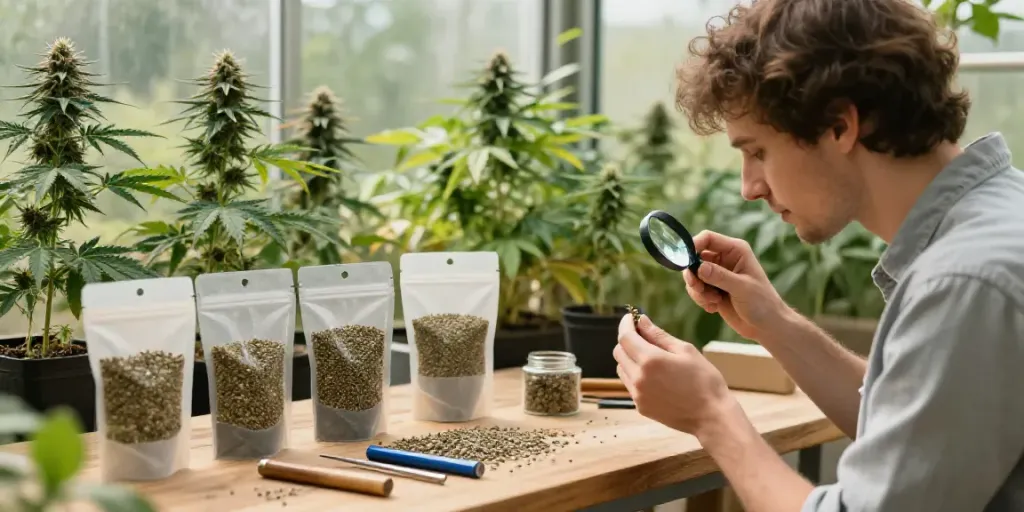
Triploid cannabis seeds are defined by their distinct genetic makeup, containing three complete sets of chromosomes instead of the usual two sets found in diploid cannabis. This genetic variation is a result of advanced breeding techniques, where breeders typically create a tetraploid parent with four sets of chromosomes and cross it with a diploid parent. The result is the offspring that can inherit three sets and become triploid. While triploid plants are intriguing, they also come with specific traits and challenges that set them apart from traditional cannabis seeds.
The Science Behind Cannabis Genetics
Understanding the genetic structure of cannabis is crucial for both breeders and growers. Cannabis plants are most commonly diploid, which means they possess two sets of chromosomes. In contrast, triploid plants have an extra set, creating a different genetic dynamic. This difference impacts how the plants reproduce and develop, making it essential for growers to grasp the underlying genetics when selecting seeds for cultivation.
Comparing Triploid, Feminized, and Autoflower Seeds
To fully appreciate the advantages and limitations of triploid seeds, it’s important to compare them with feminized and autoflowering seeds. Feminized seeds are bred to produce only female plants, which are the ones that yield the desired buds. Autoflower seeds, on the other hand, automatically switch from the vegetative to the flowering stage based on age rather than light cycles. Triploid seeds, while not inherently feminized or autoflowering, can still possess valuable traits that enhance the growing experience.
Benefits of Using Triploid Seeds for Cultivation
Enhanced Yield and Crop Consistency
One of the primary reasons growers are drawn to triploid seeds is their potential for enhanced yield. The triple chromosome set can lead to increased biomass and, ultimately, higher crop production. Additionally, triploid plants are known for their consistency in growth and bud production, making them a reliable choice for both commercial and home growers.
Natural Pollen Resistance Explained
Triploid plants often exhibit a degree of natural pollen resistance. This characteristic is particularly beneficial in environments where cross-pollination with male plants is a concern. While not an absolute guarantee of sterility, triploid genetics can reduce the chances of unintended pollination, thereby preserving the quality and quantity of the yield.
Faster Flowering Times for Growers
Another significant advantage of triploid cannabis seeds is the potential for faster flowering times. Growers can experience quicker harvests, allowing for more frequent planting cycles. This efficiency can be particularly useful for those operating on tight schedules or limited space.
Challenges in Triploid Cannabis Cultivation
Common Misconceptions About Fertility
Despite the numerous benefits, there are some misconceptions surrounding the fertility of triploid plants. It's important to understand that while triploid seeds generally exhibit reduced fertility compared to diploid seeds, this does not mean they are entirely sterile. Environmental factors, genetics, and breeding techniques play a critical role in determining the fertility options of any cannabis seeds.
Breeding Techniques for Optimal Results
Successful cultivation of triploid cannabis requires an understanding of certain breeding techniques that can optimize their genetic potential. Breeders can intentionally cross triploid strains with other chosen genetics to enhance specific traits, such as aroma, cannabinoid content, and resistance to pests. This strategic breeding can lead to the development of unique cultivars that fit the needs of various growers.
Environmental Factors Affecting Growth
The growth and yield of triploid cannabis plants can be significantly influenced by their growing environment. Factors such as soil quality, light exposure, and humidity levels can all affect the overall health of triploid plants. Growers should be attentive to these environmental variables to maximize the potential of their triploid cultivars.
Strategies for Successful Triploid Cannabis Growing
Best Practices for Soil and Nutrient Management
For triploid cannabis to thrive, proper soil and nutrient management is essential. Choosing the right soil mix, rich in organic matter and essential nutrients, can help promote robust growth. Regular testing of soil pH and nutrient levels will also assist growers in providing an optimal growing environment.
Watering Techniques for Triploid Plants
Understanding the water requirements of triploid cannabis is crucial. Overwatering can lead to root rot, while underwatering can stunt growth. Implementing a consistent watering schedule, based on the plant's stage of growth and environmental conditions, will help ensure healthy development.
Pest Control Strategies for Cannabis Cultivation
Effective pest control is vital in any cannabis growing operation. Natural pest control methods, such as introducing beneficial insects or using organic pesticides, can reduce the likelihood of infestations without harming the plants. Regular monitoring for signs of pests or disease will help growers address issues before they escalate.
The Future of Next-Generation Genetics (2026 and Beyond)
Emerging Trends in Cannabis Breeding
As we look towards the future of cannabis cultivation, several emerging trends in breeding practices are likely to evolve. These include the continued exploration of triploid genetics, as researchers seek to enhance the benefits while minimizing the challenges associated with cultivation. Innovations in selective breeding will also lead to the development of new strains that cater to a growing market.
Innovations in Genetic Testing and Cultivation
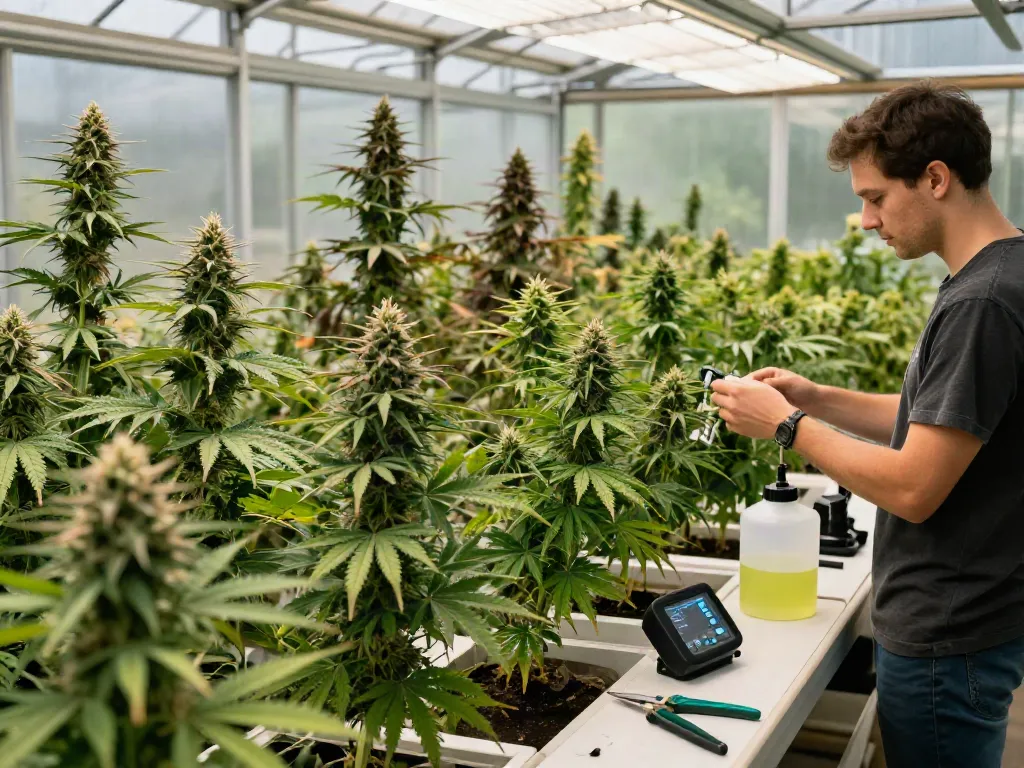
Advancements in genetic testing technologies will play a critical role in the cultivation of cannabis. Growers will have access to more detailed information about the genetic makeup of their plants, allowing for more informed decisions regarding breeding and cultivation practices. This level of insight can pave the way for the development of more targeted agricultural strategies.
Predictions for the Cannabis Market and Technology
As the cannabis industry continues to grow, so too will the demand for high-quality, genetically superior plants. The integration of technology in breeding and cultivation will significantly influence market dynamics, with a focus on sustainability and efficiency becoming paramount. By embracing next-generation genetics, growers will be better equipped to meet these evolving market demands.
What are the benefits of triploid cannabis genetics?
Triploid cannabis genetics present numerous advantages, including enhanced yields, reduced pollen exposure, and faster flowering times. These attributes make them an appealing option for both commercial and home growers looking to maximize their cultivation efforts.
How do triploid seeds compare to traditional strains?
Compared to traditional diploid strains, triploid seeds offer unique genetic benefits that can lead to higher productivity and crop consistency. However, they may also present challenges related to fertility and breeding, which growers must navigate carefully.
What should I know before buying cannabis seeds?
Before purchasing cannabis seeds, it’s essential to research local laws and regulations, understand the specific traits and characteristics of the seeds, and consider your cultivation environment to ensure optimal growth and yield.
What are the legal considerations for cannabis cultivation?
Cannabis cultivation regulations vary widely by location. Growers must familiarize themselves with local laws regarding seed purchase, germination, and cultivation to remain compliant and avoid legal issues.
How does triploid genetics affect THC levels?
Triploid cannabis plants can potentially exhibit increased THC levels due to their enhanced genetic traits. However, the final cannabinoid profile will ultimately depend on various factors, including breeding practices and environmental conditions.