
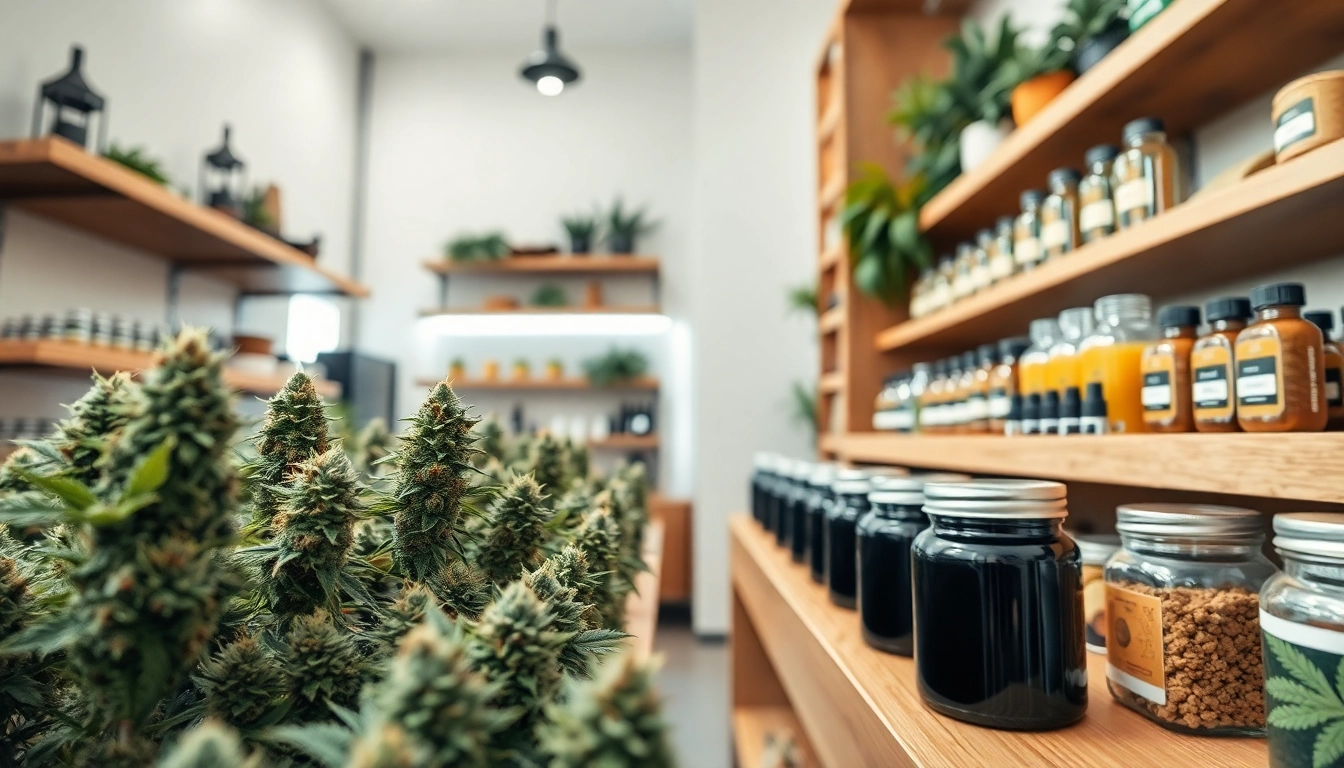
Understanding the Basics of a Weed Store
What is a Weed Store?
A Weed Store, commonly referred to as a dispensary, is a retail location where cannabis products are sold. These products can range from flowers (the actual cannabis plant) to edibles, oils, tinctures, and more. The fundamental role of a weed store is to provide customers with access to legal cannabis, serving both recreational and medicinal needs. Depending on local laws, these stores may offer a variety of strains and products, each designed for different effects and preferences, targeting both new users and seasoned consumers.
Legal Aspects of Operating a Weed Store
The operation of a weed store is heavily regulated and subject to local, state, and federal laws. The legal landscape surrounding cannabis can vary significantly from one jurisdiction to another. In areas where cannabis is legalized, operators must obtain licenses that validate their right to sell cannabis, ensuring compliance with regulations that govern the cultivation, distribution, and sale of cannabis products. Factors such as zoning laws, taxation, and health safety standards can influence the operation and success of these establishments. It is crucial for prospective dispensary owners to have a comprehensive understanding of these regulations to avoid legal pitfalls.
Types of Products Available
Within a weed store, customers have access to a diverse array of products. The most common products include:
- Cannabis Flowers: This refers to the dried flowering buds of the cannabis plant, often sold in various strains, each with unique cannabinoid profiles and effects.
- Edibles: Food products infused with cannabis extracts. These can include gummies, chocolates, and baked goods, catering to those who prefer not to smoke.
- Tinctures and Oils: Concentrated cannabis extracts that can be consumed sublingually (under the tongue) or added to food and beverages.
- Topicals: Creams and balms infused with cannabis for localized relief, often used for pain or inflammation.
- Vapes: Cannabis oils designed for use in vape pens, offering a discreet and efficient method of consumption.
Choosing the Right Products at a Weed Store
Identifying Quality Cannabis
When selecting cannabis products, quality is paramount. A good starting point is examining the appearance of the cannabis flower; high-quality buds typically exhibit vibrant colors, a frosty appearance from resin trichomes, and a strong aromatic profile. Ask staff for lab tests or certificates of analysis, which can provide insights into the product’s potency and purity, ensuring a safe and enjoyable experience.
Understanding Different Strains
Cannabis is categorized primarily into three strains: Indica, Sativa, and hybrids of both. Indicas are known for their relaxing effects, making them popular for nighttime use or stress relief. Sativas, on the other hand, are often associated with energizing effects, suitable for socializing or daytime use. Hybrids blend the characteristics of both strains, providing a balanced experience. Understanding the type of strain that best suits your needs can significantly enhance your experience at a weed store.
Factors to Consider When Buying
Several factors should be considered when purchasing cannabis products:
- Personal Tolerance: Everyone’s body reacts differently to cannabis. Beginners should start with low THC products to gauge their tolerance.
- Desired Effects: Identify what experience you seek from cannabis. Whether it's relief from pain, relaxation, or a boost in creativity, different products yield different outcomes.
- Method of Consumption: Determine the method of consumption that suits your lifestyle. Edibles might be a more pleasant option for some, whereas others may prefer the rapid effects of smoking or vaping.
- Budget: Cannabis products can vary in price based on quality, brand, and potency. Set a budget to help guide your purchasing decisions.
Navigating the Weed Store Experience
What to Expect upon Arrival
Upon visiting a weed store, customers should expect a welcoming environment with knowledgeable staff ready to assist. You'll likely be required to present identification to verify your age (typically 21 or older) and, where applicable, proof of residency or medical cannabis cards for those seeking medicinal products. Most dispensaries have a check-in process similar to a retail checkout, where staff can help guide your shopping experience with recommendations based on your needs.
How to Communicate with Staff
Engaging with staff at a weed store can enhance your shopping experience significantly. Don’t hesitate to ask questions about different strains, product effects, or recommendations based on your preferences. Good staff members will be eager to share their expertise and ensure you feel confident in your purchases. Use descriptive terms about what you're looking for to receive personalized advice.
Understanding Store Layouts
Typically, weed stores are organized into distinct sections based on product type, making it simpler for customers to navigate. Common layouts may feature a display of cannabis flowers upfront, followed by sections dedicated to edibles, tinctures, and accessories. Many stores also have information plaques or screens displaying details such as potency tests or strain information, allowing customers to make informed decisions at a glance.
Health and Safety in a Weed Store
Safe Consumption Practices
Practicing safe consumption is crucial for enjoying cannabis responsibly. Start with a low dose and wait sufficient time to gauge its effects before consuming more, especially with edibles where the effects can take longer to feel. Keep infused products out of reach of children and pets, and always be mindful of your surroundings when consuming in social settings, ensuring you respect public decency laws.
Store Policies on Returns and Exchanges
Each weed store may have its return policy, typically based on state laws regarding cannabis sales. It's essential to understand these policies prior to making a purchase, particularly if you're trying a new product. Often, items sold as final will not be returnable, but many stores offer exchanges if products are unopened or defective. Remember to keep your receipt for any potential returns as proof of purchase.
Tips for First-Time Visitors
Walking into a weed store for the first time may feel overwhelming, but being well-prepared can ease any anxiety. Here are tips for first-time visitors:
- Research: Familiarize yourself with the products offered and the typical effects of different strains before your visit.
- Ask Questions: Don’t hesitate to ask staff about products or leave feedback about your experience.
- Bring an ID: Ensure you bring valid identification to confirm your age.
- Plan Your Budget: Decide in advance how much you are willing to spend to avoid overspending.
Future Trends for Weed Stores
Technological Innovations in Retail
The cannabis retail industry is evolving rapidly, with technology playing a major role in shaping customer experiences. From online ordering systems to advanced point-of-sale solutions that enhance inventory management, expect an increase in technology integration. Virtual reality (VR) experiences may also emerge, allowing customers to familiarize themselves with different strains and products before making in-person visits.
Shift in Consumer Preferences
As the cannabis market matures, consumer preferences are also shifting. An increasing number of individuals are seeking organic and sustainably sourced products. The demand for low-THC, high-CBD options is rising, particularly among new users or those looking for therapeutic benefits without the head high associated with THC. This trend emphasizes the need for weed stores to diversify product offerings to cater to an evolving clientele.
Expansion Opportunities in Local Markets
As more states legalize cannabis, there are significant opportunities for weed stores to expand their reach. Local markets are becoming vital to the cannabis supply chain, with community-based stores that offer locally sourced products gaining popularity. This presents an opportunity for businesses willing to engage with their local communities, creating brand loyalty and a sense of connection with their customer base.