Understanding the Health Benefits of CBD
Cannabidiol (CBD) has gained significant attention in recent years for its potential health benefits. As a non-psychoactive compound found in cannabis plants, CBD interacts with the endocannabinoid system (ECS), which plays a crucial role in regulating various physiological processes. This interaction has sparked interest among researchers and wellness enthusiasts alike. Notably, the inclusion of CBD in wellness routines has been linked to relaxation, pain management, and improved sleep quality, making it a versatile option for many. When exploring options, order weed online to find high-quality products that cater to your needs.
What are the therapeutic effects of CBD?
The therapeutic effects of CBD are vast and include its potential to alleviate anxiety, reduce inflammation, and improve sleep. Research suggests that CBD may help modulate the receptors in the ECS, which can positively influence mood and pain perception. For those dealing with chronic stress or anxiety disorders, CBD has shown promise in clinical studies as an anxiolytic agent. Additionally, its anti-inflammatory properties make it a popular choice for individuals suffering from various inflammatory conditions.
How does CBD support mental and physical wellness?
CBD’s impact on mental wellness has been a focal point of numerous studies. It has been found to reduce anxiety and improve mood without the psychoactive effects associated with THC. For physical wellness, CBD's anti-inflammatory properties extend its use to athletes and those with chronic pain, as it may help alleviate soreness and expedite recovery times. Furthermore, the soothing properties of CBD may lead to better sleep patterns, thus enhancing overall wellness.
Exploring specific conditions and relief with CBD
Various conditions may benefit from CBD use. Studies have indicated its potential in treating epilepsy, with the FDA approving a CBD-based medication, Epidiolex, for certain severe forms of epilepsy. Additionally, individuals with arthritis may find relief from joint pain through CBD's anti-inflammatory effects. Moreover, anecdotal evidence suggests that CBD can aid in reducing the discomfort associated with menstrual cramps and headaches.
Different Types of CBD Products
The market offers a diverse range of CBD products, each with unique characteristics and benefits. Understanding these options can help consumers make informed choices that align with their personal wellness goals.
Oils, tinctures, and their benefits
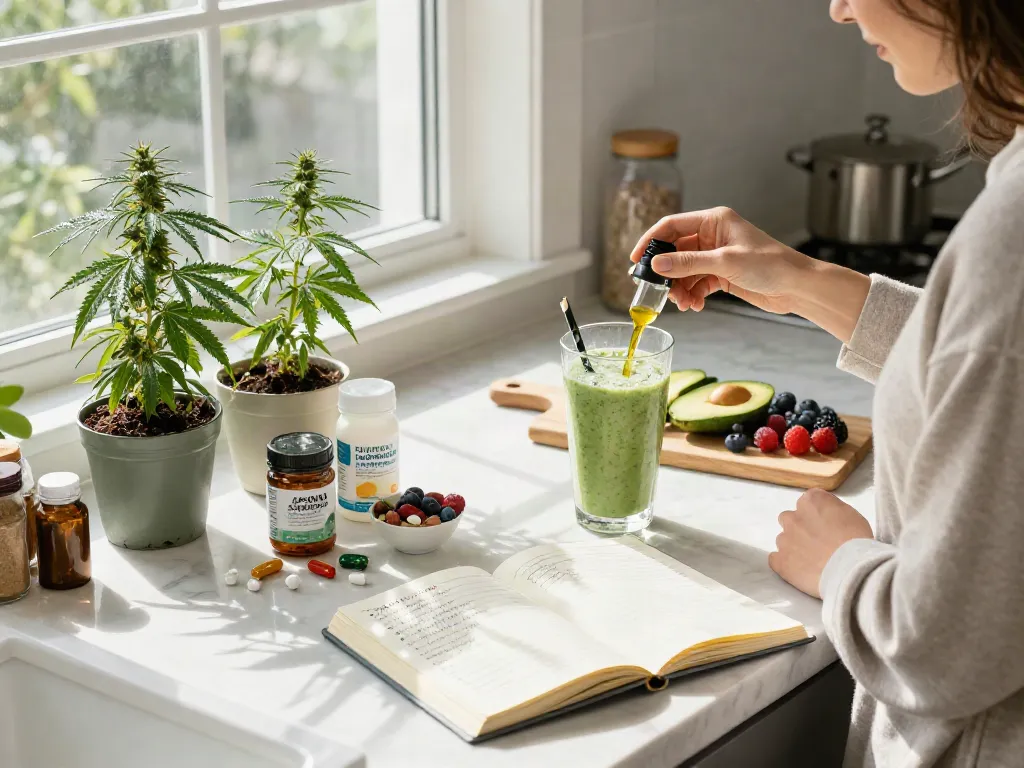
CBD oils and tinctures are among the most popular forms of CBD. They offer flexibility in dosing and can be taken sublingually (under the tongue) for faster absorption. The bioavailability, or the amount of CBD that enters the bloodstream, is notably higher when taken this way. Moreover, these products can often be easily incorporated into food and beverages for a more tailored experience.
Edibles and capsules: convenience and dosage
Edibles, such as gummies and capsules, provide a discreet and convenient way to consume CBD. They offer pre-measured doses, which can alleviate the challenge of figuring out the right amount to take. However, it’s important to note that edibles may have a slower onset time as they need to be metabolized, so consumers should be patient while waiting for effects.
Topicals and vapes: targeted relief options
Topical CBD products, like creams and balms, are designed for targeted relief. They can provide localized pain relief without entering the bloodstream, making them ideal for conditions like arthritis or muscle soreness. In contrast, vape products offer instant effects due to rapid absorption through the lungs, catering to those looking for quick relief. However, consumers should consider their personal preferences and health profiles when choosing between topicals and vape products.
Correct Dosage Calculations for CBD
Determining the right dosage of CBD is crucial for achieving desired effects and minimizing potential side effects. Different individuals may respond to CBD differently based on factors like body weight, tolerance, and the specific condition being addressed.
How to determine the right starting dosage
It is generally recommended to start with a low dose of CBD, gradually increasing it until the desired effects are achieved. A common starting point is between 5 to 10 mg of CBD per day. Observing how your body responds can help in fine-tuning the dosage.
Titration methods for personalized dosing
The titration method involves incrementally adjusting the dosage over time to find the optimal amount for personal needs. Keeping a diary of intake and effects can assist in this process, helping individuals identify what works best for them.
Factors affecting individual dosage needs
Several factors can influence how much CBD an individual may need. These include body weight, metabolism, the severity of symptoms, and individual body chemistry. Factors like age or medical conditions may also affect dosing considerations.
Quality Indicators in CBD Products
To ensure safety and efficacy, consumers should be aware of certain quality indicators when selecting CBD products.
What is a Certificate of Analysis (COA)?
A Certificate of Analysis (COA) is a document provided by third-party laboratories that details the cannabinoid profile and testing results for a specific batch of CBD product. It's crucial for consumers to check for a COA to confirm the product's claims and safety.
Importance of third-party testing
Third-party testing is essential for verifying that a CBD product contains the claimed amount of cannabinoids and is free from contaminants like pesticides and heavy metals. This ensures consumers receive a safe and effective product.
Understanding cannabinoid profiles and terpenes
Each CBD product's cannabinoid profile indicates the specific concentrations of different cannabinoids present, including beneficial compounds like terpenes. Terpenes not only provide unique aromas but also contribute to the therapeutic effects of cannabis through the entourage effect.
Navigating Legal Considerations in 2026
As the CBD industry evolves, understanding the legal landscape is vital for both consumers and manufacturers to ensure compliance and safety in products.
Current regulations on CBD and THC
The legal status of CBD and THC varies by state, primarily stemming from the 2018 Farm Bill, which legalized hemp-derived products containing less than 0.3% THC on a federal level. However, specific state regulations may impose stricter guidelines.
Understanding state vs federal legality
While CBD derived from hemp is federally legal, some states have established regulations that limit its use further. Consumers should always verify their local laws to avoid any legal complications.
Safety and compliance standards for consumers
Consumers should look for products that adhere to safety protocols, including GMP (Good Manufacturing Practices) certifications. Awareness of safety standards helps prevent the risks associated with unregulated products.
What are the side effects of using CBD?
Though generally considered safe, CBD can cause side effects in some individuals, including drowsiness, dry mouth, and gastrointestinal changes. It is advisable to consult with a healthcare professional before starting any new supplement, especially if other medications are involved.
How to store CBD products properly?
Storing CBD products in a cool, dark place can help maintain their potency. It is crucial to keep these products away from direct sunlight and extreme temperatures, which can degrade their quality over time.
What makes CBD organic and sustainably sourced?
Organic CBD comes from hemp plants grown without the use of synthetic pesticides or fertilizers, emphasizing sustainable farming practices. Choosing organic options often ensures consumers are supporting environmentally friendly practices.
Are there potential drug interactions with CBD?
CBD may interact with several medications, particularly blood thinners and those processed in the liver. Consulting with a healthcare provider to understand any potential interactions is critical before incorporating CBD into a routine.
How to choose reputable CBD brands?
Choosing reputable CBD brands involves looking for transparency, quality testing results, and customer reviews. For more information, concentrate delivery near me offers valuable insights. Brands that provide comprehensive information about their sourcing and manufacturing processes are generally more trustworthy.